
 22 Jan 2026
 5 min read
Bet you know about the Great Wall of China. Totally bet you don’t know all the top 10 Great Wall of China interesting facts that we’re going to drop below. This is exactly why you must read this blog—learn unique stuff about this monument. Besides, there are some really cool things that will leave you stunned.
We’re 99% sure that you will want to book a trip to China to see the architectural wonder by yourself (in case you haven’t already)! When you add the remaining 1% to our surety, get in touch with the leading travel agency, Next Holidays, and book your China package. Now, let’s learn something, shall we?
Fact #1: The Great Wall is the largest manmade project on Earth 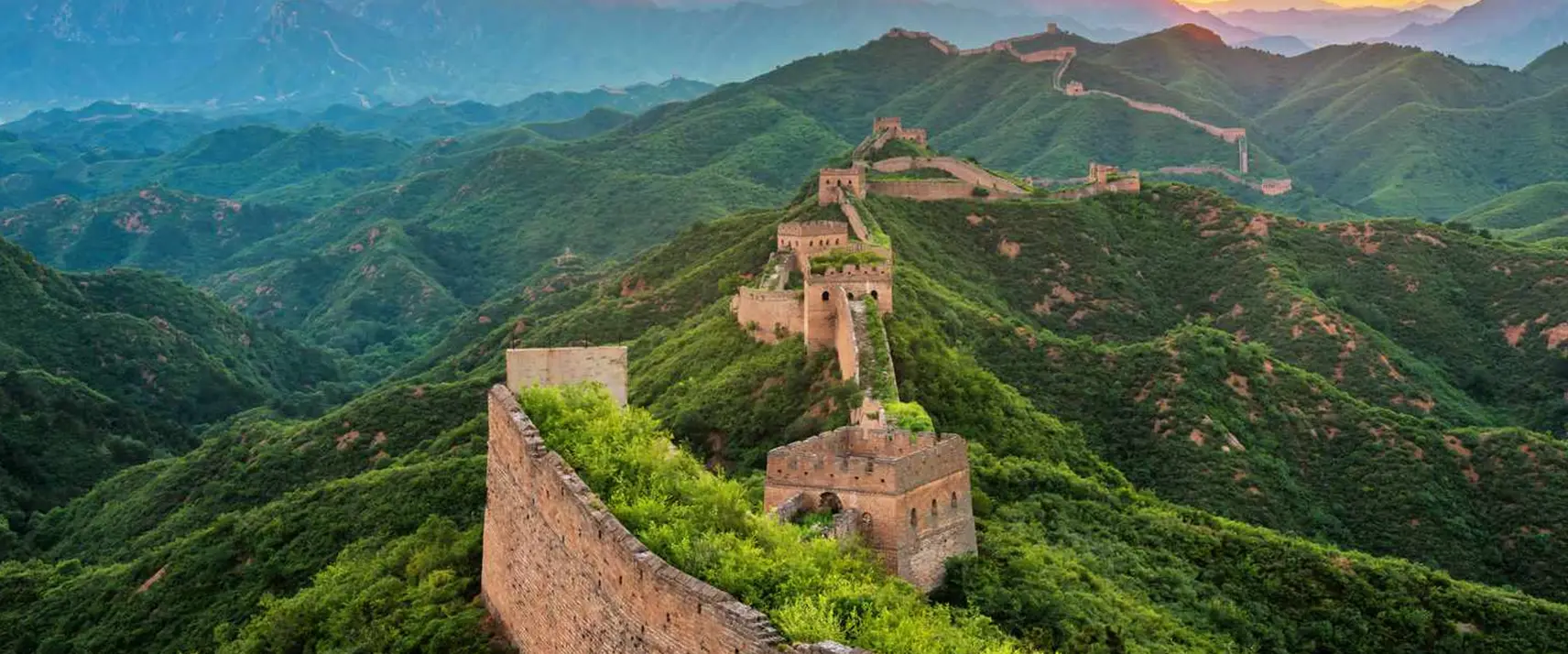
Did you know that the Great Wall is the largest project in the world created by man? Well, it stretches to 21196.18 km, from the eastern seashore to the western desert in the northern part of the country. Thus, it goes up and down across plateaus and mountains, making it even more stunning. This is just the first of our many Great Wall of China interesting facts.
Fact #2: The construction of the Great Wall took over 2,000 years 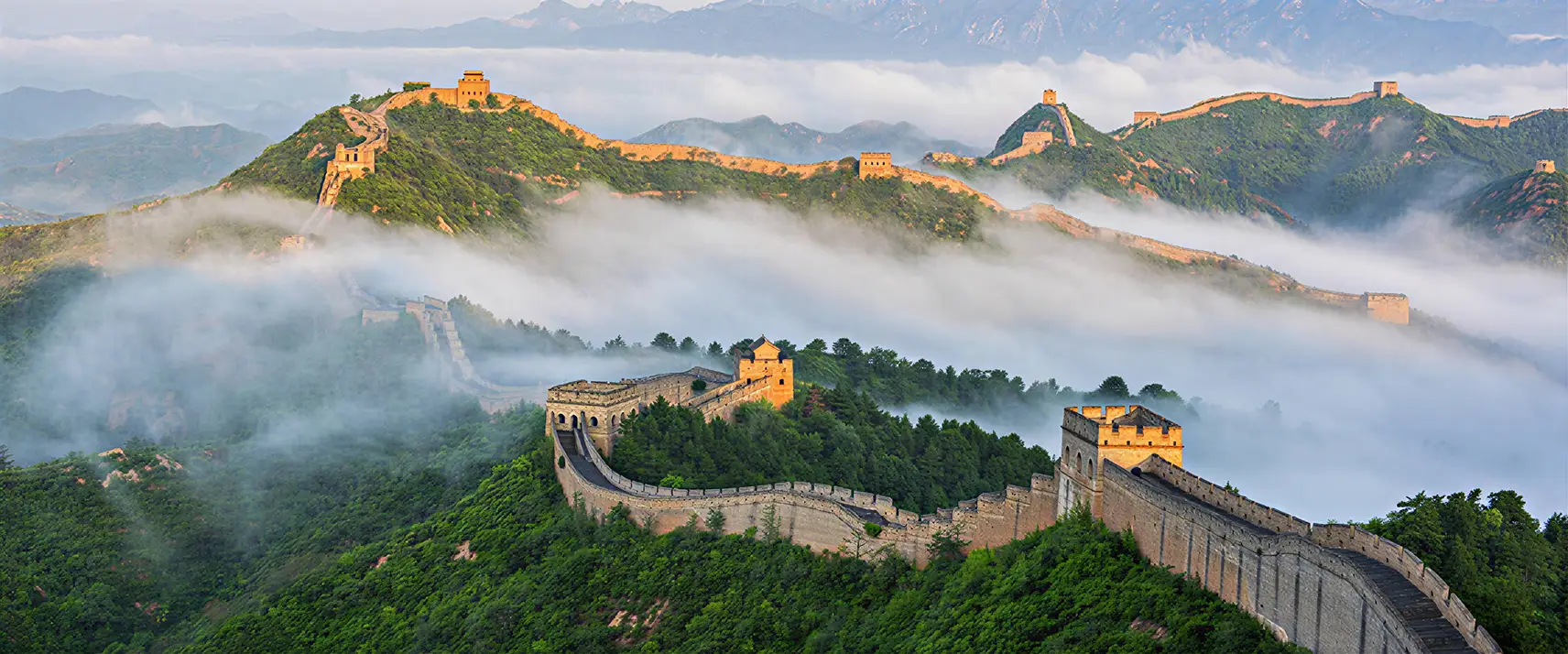
The second on our top 10 interesting facts about the Great Wall of China is rather a more surprising one, isn’t it? Nonetheless, it’s completely true that the construction of the Great Wall of China took more than 2,000 years. You might be wondering how that is possible. From 770 BC to 1644 AD, construction occurred in various stages.
Fact #3: The wall cannot be seen from space 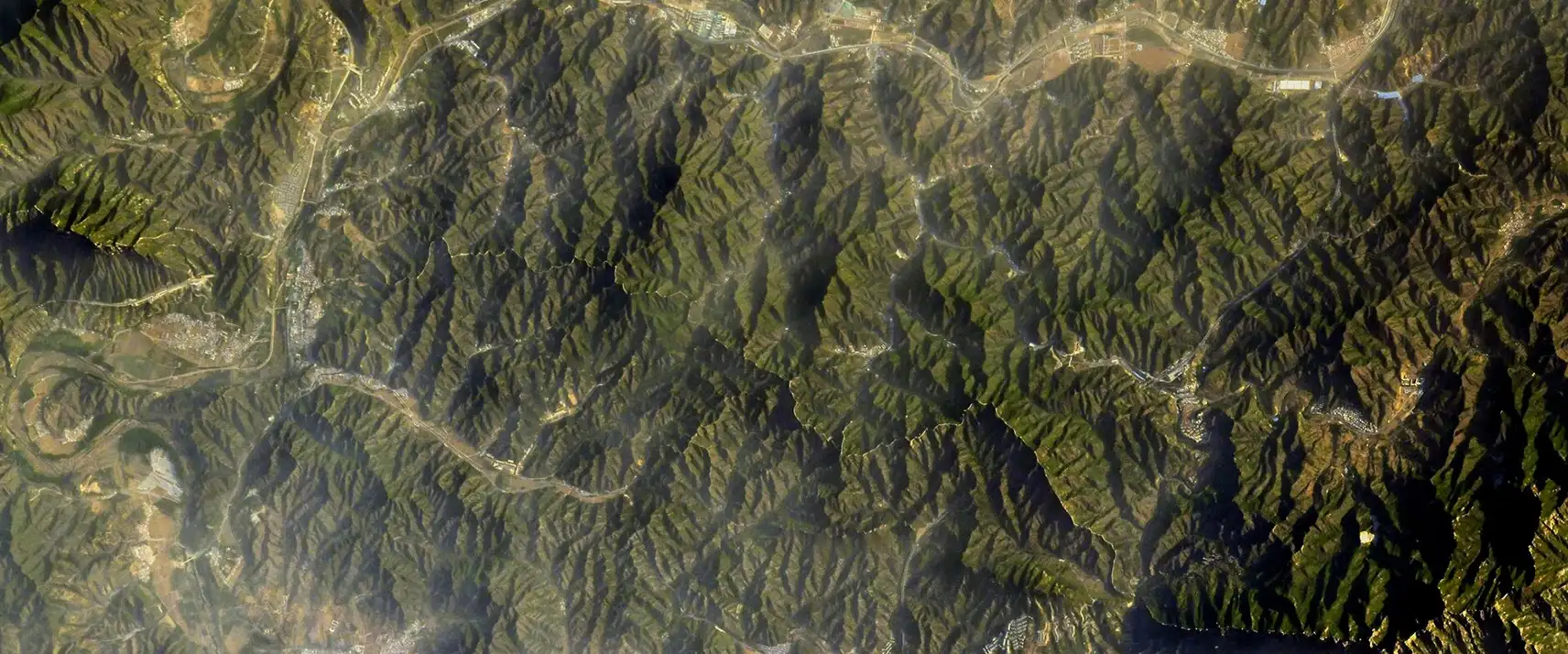
It is known to be one of the most fun facts about Great Wall of China that it is visible from space. However, that is a total myth. The Great Wall is lengthy but too narrow to be seen with the naked eye from space. Good thing, we’re here on Earth!
Fact #4: Rice mortar was used in its construction 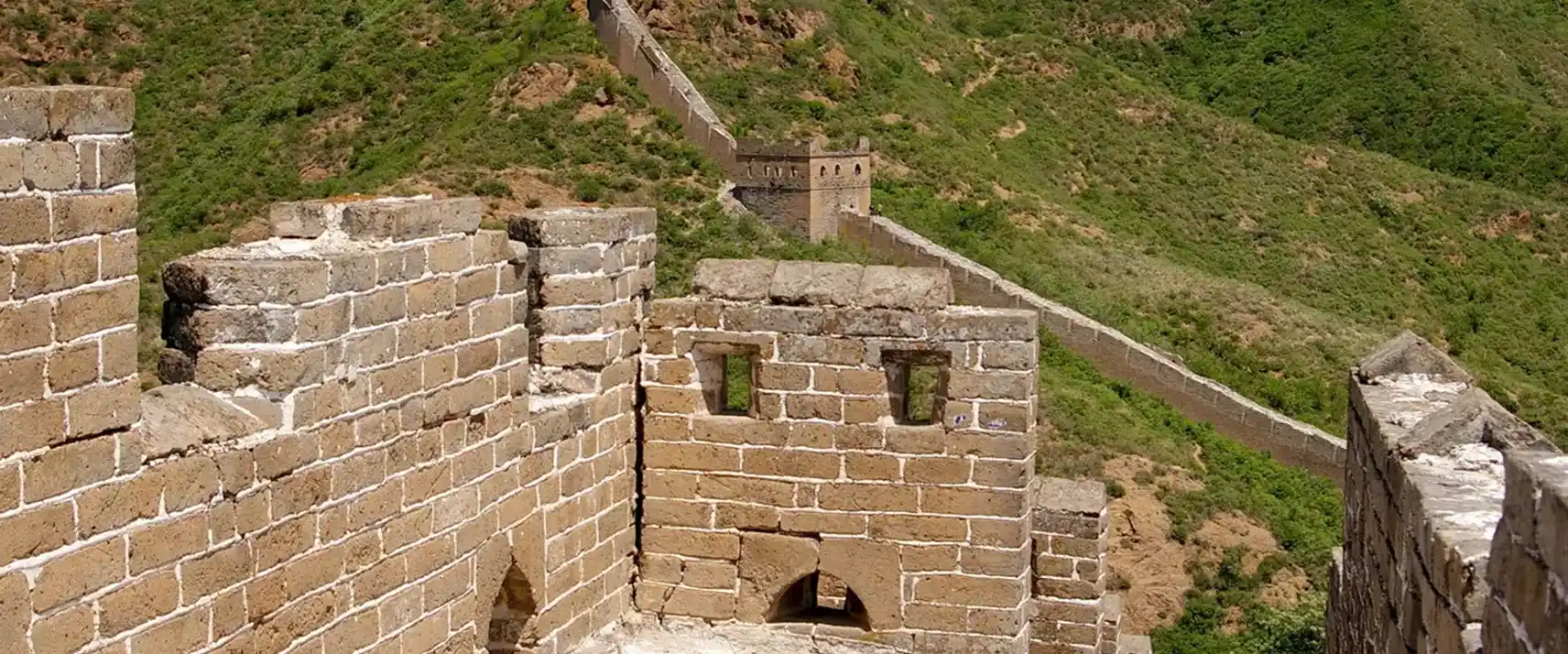
One of the most fun facts about Great Wall of China is that glutinous rice mortar was used in its construction. Instead of using the regular lime mortar, the rice mortar was used for better strength and water resistance. The sticky rice mortar helped in increased resilience as well. Isn’t it amazing how something like a rice mortar occurred to someone ages ago?
Recommended: Hong Kong Tour Packages from UAE
Fact #5: Bricks are carved with the names of workers 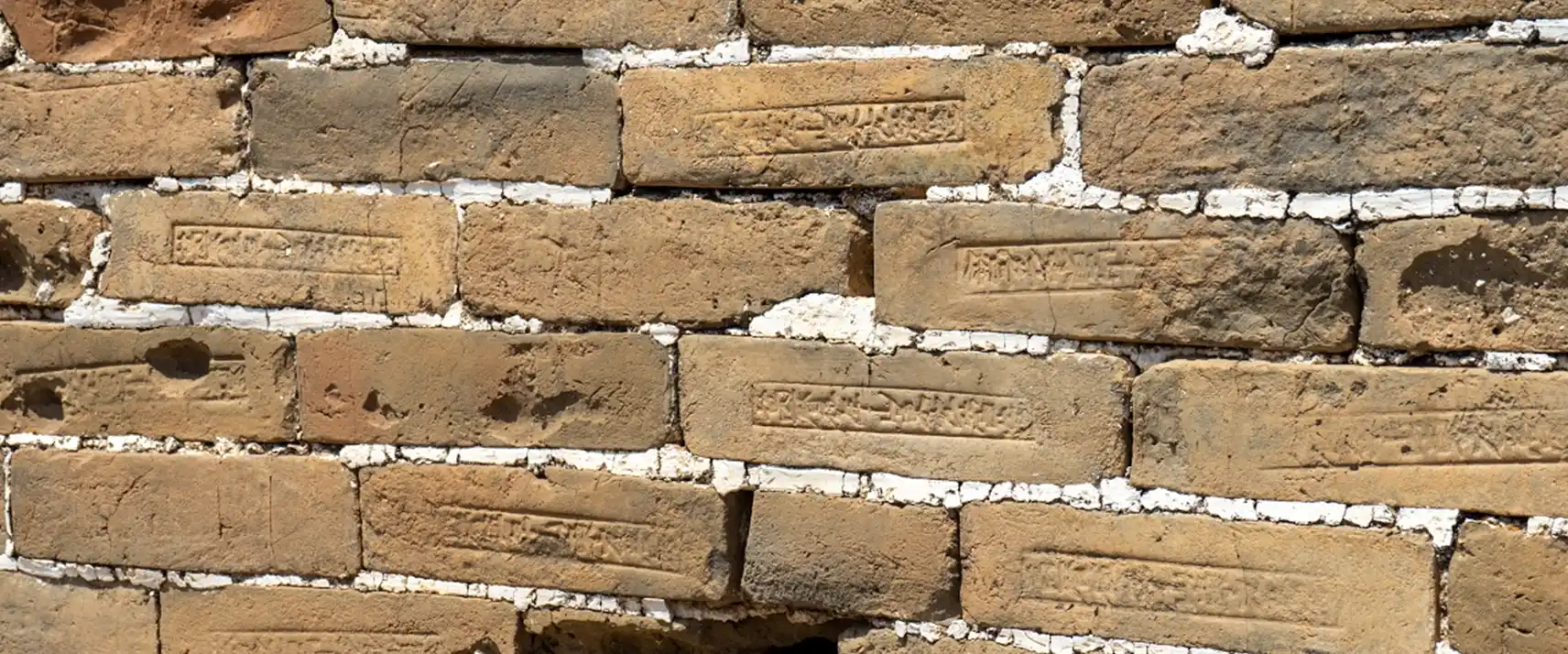
Although it wasn’t allowed to write anything on the walls, one thing was written everywhere—the names of the workers. In the Ming Dynasty, each worker was asked to carve their name on the bricks. This was the best way to ensure individual responsibility. It is one of our favorite Great Wall of China interesting facts for the same reason.
Fact #6: The Great Wall stretches across 15 Chinese provinces 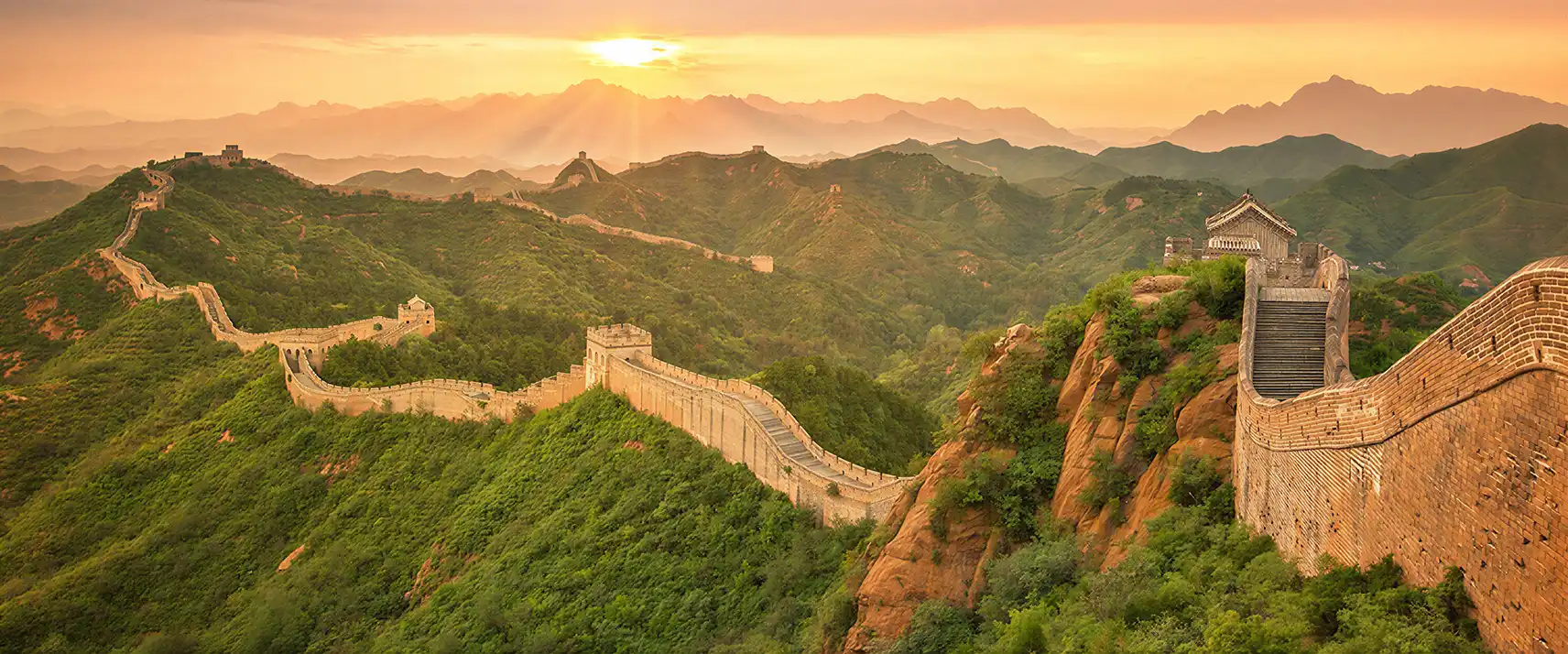
One of the most stunning and fun facts about Great Wall of China is that the wall stretches across 15 municipalities, provinces, and autonomous regions in northern China. These are
- Heilongjiang
- Jilin
- Liaoning
- Inner Mongolia
- Beijing
- Tianjin
- Hebei
- Shandong
- Henan
- Shanxi
- Shaanxi
- Gansu
- Ningxia
- Qinghai
- Xinjiang
Fact #7: Each region has something interesting about the Great Wall 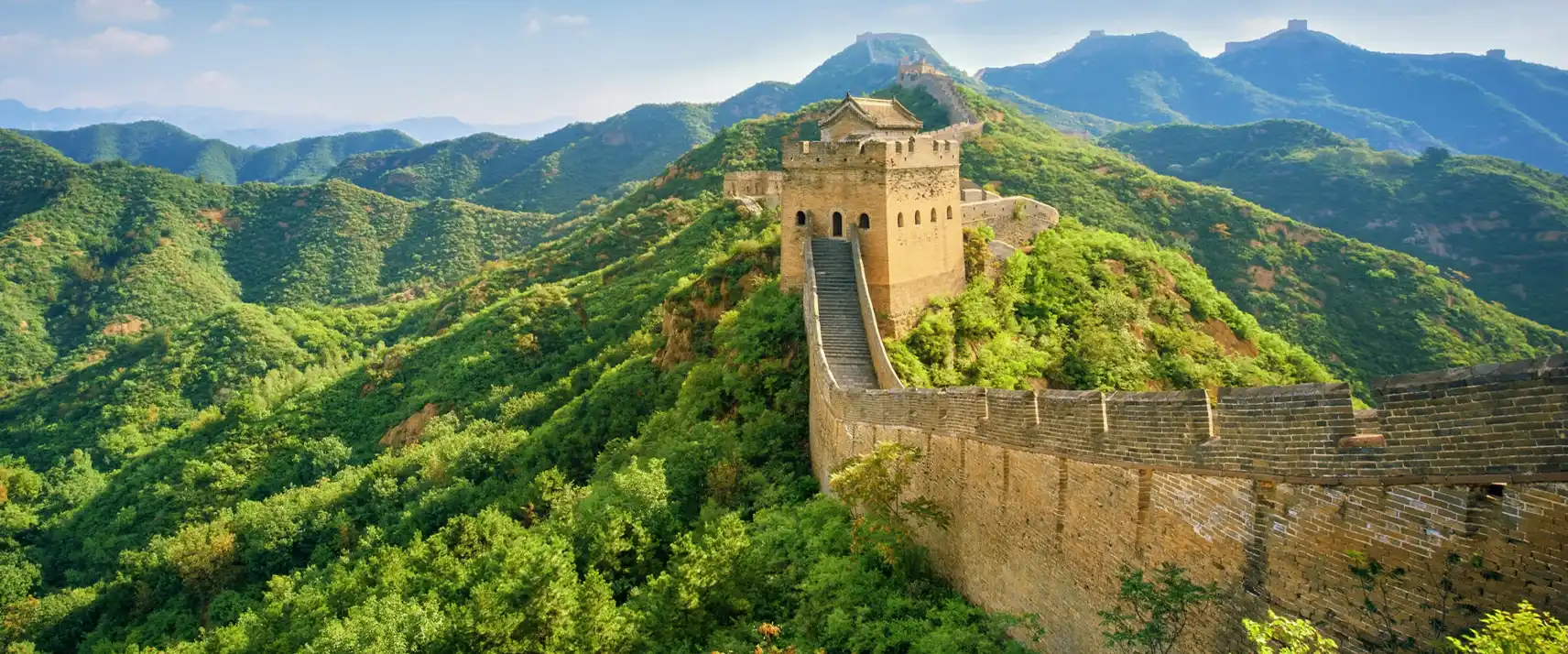
Since the Great Wall covers 15 regions in the northern part of the country and has been built across dynasties, it should go without saying that there are some really cool facts about the Great Wall of China regarding each region. Here are some of the best ones:
- Simatai: This part of the wall is the only part that’s fully lit, which means it is a popular tourist destination, especially for those who would love to see the brightly shining wall at night.
- Jiankou: This side of the wall is the most winding and steep, making it the most challenging to hike. Nonetheless, it is also the part that makes appearances on postcards and books due to its picture-perfectness.
- Mutianyu: Most foreign travelers come here to see the Great Wall, since it’s family-friendly and properly restored. Tourists love to combine their half-day sightseeing plan with the Temple of Heaven.
- Badaling: Do you know how many people visit the Badaling region for the Great Wall? Over 63,000,000! This is because it is the most popular spot for travelers across the country, leaving it overcrowded most of the time.
- Shanhai Pass: The only part of the Ming Great Wall that meets the sea is the Shanhai Pass. So, if you’d like to admire the wall and be at the beach at the same time, Shanghai Pass is the answer.
- Gubeikou: You can see signs of the last battle that was fought at the Great Wall. There are bullet holes in the Gubeikou section of the wall.
To know more about the particular regions of the Great Wall, what do you think about taking a tour of the country and figuring it out with firsthand experience?
Check Out: 5days Macau Tour Package from UAE
Fact #8: The Great Wall is not just a single wall 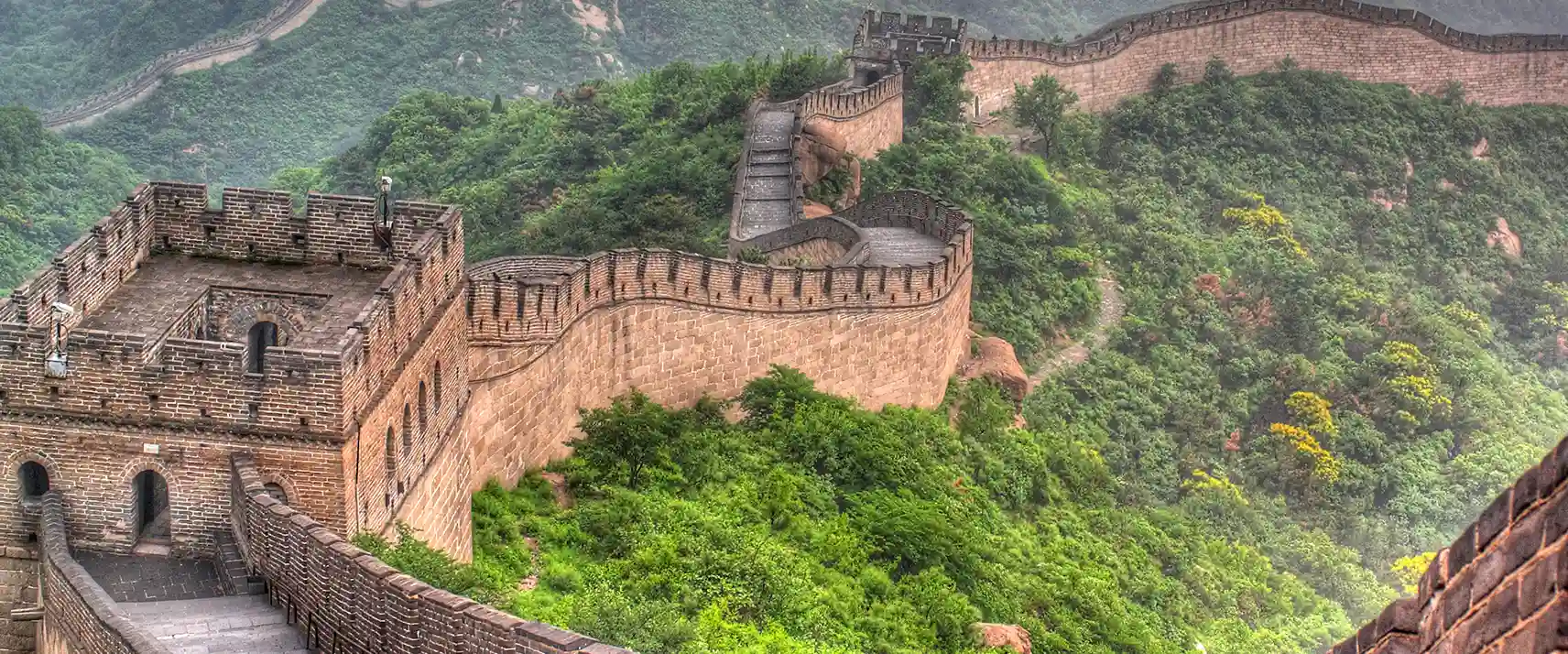
When we talk about fun facts about Great Wall of China, there’s something we all must know: the Great Wall is not just a wall. Instead, it is a series of fortifications, which consists of garrison stations, fortresses, barracks, beacon towers, and barriers along the walls. This helped in becoming a comprehensive defensive system.
Fact #9: The materials used for construction vary by region 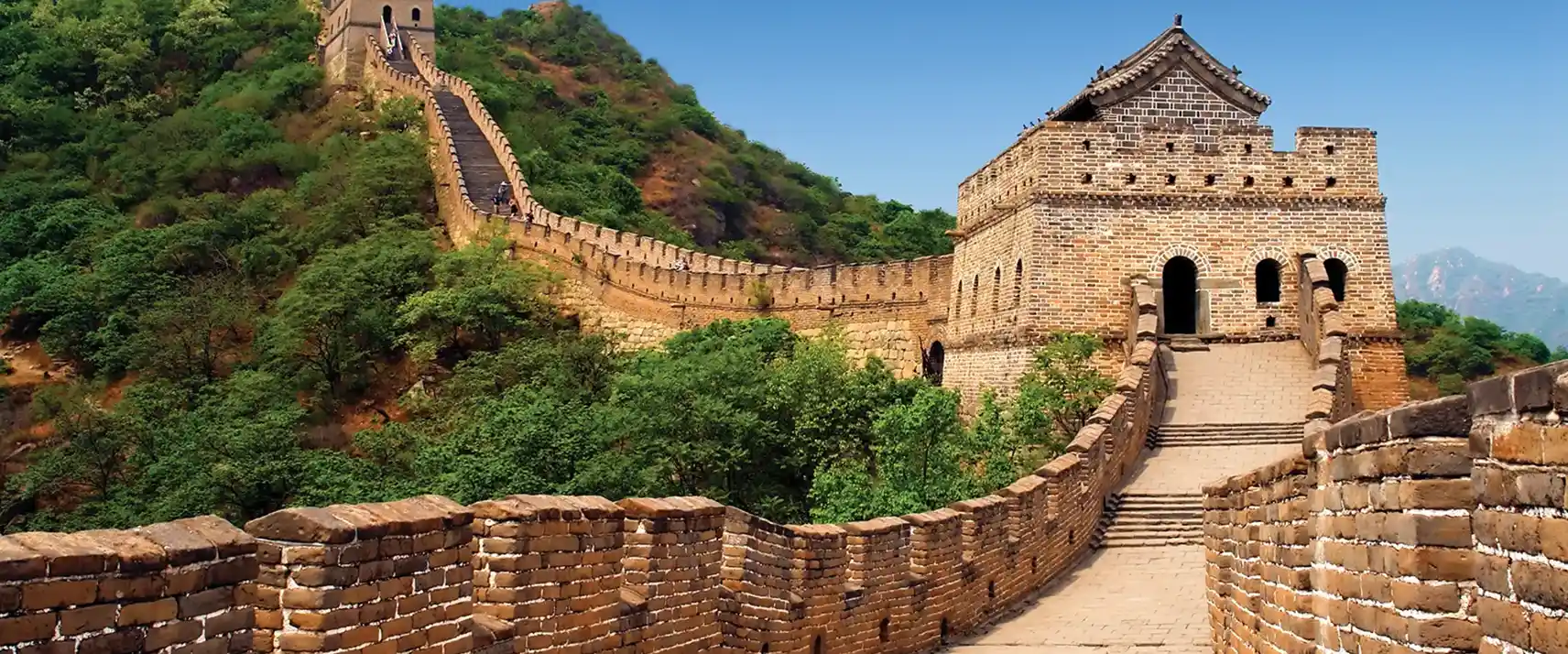
You now know that the wall stretches across 15 Chinese regions. It’s time to learn one of the top 10 interesting facts about the Great Wall of China. The materials used for constructing the wall differed from one area to another. Most of the parts that we can see today were built using lime mortar, cut stone blocks, and bricks.
However, in some places, blocks and bricks weren’t available. Here, wood, uncut stones, and tamped earth were used. In places that were drier than others, especially the western areas, sand and mud were mostly used. These have, unfortunately, eroded rapidly.
Fact #10: The present length is not 21,196 km 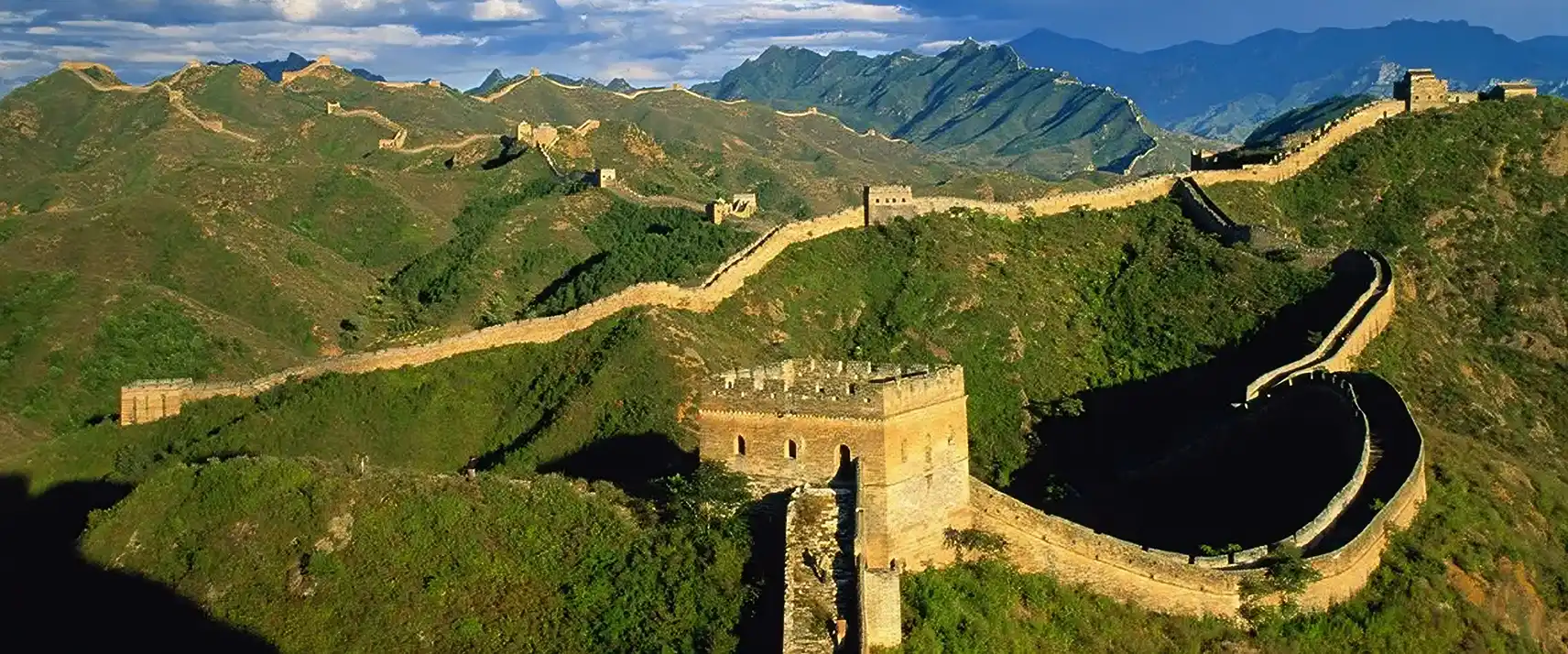
Finally, the last on our list of the top 10 interesting facts about the Great Wall of China. The present length of the wall is not over 20,000, as it originally was. Rather, most people say that just one-third of that remains present. The rest of the Great Wall of China has disappeared due to natural erosion. In some places, villagers have even taken bricks from the wall to build their homes.



Comments