
 22 Jul 2026
 6 min read
 Author: Darshan Gupta
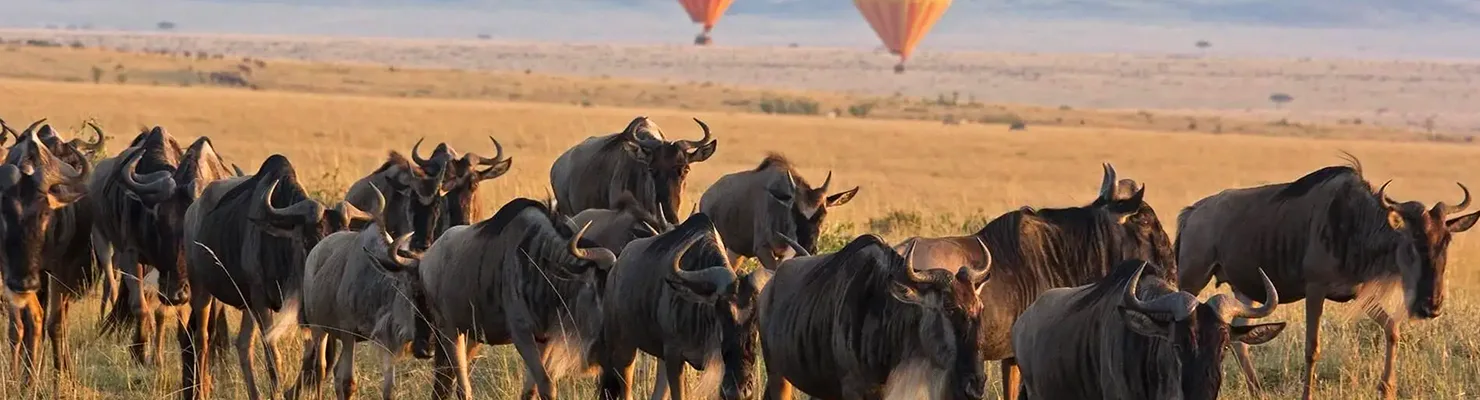
The Great Migration is one of the world's most remarkable wildlife events. Every year, more than 1.5 million wildebeest, zebras, and antelopes migrate in a continuous circle across the Serengeti Mara ecosystem in search of new habitat.
Between July and October, this migration spreads to Kenya's Masai Mara, delivering spectacular river crossings, intense predator-prey interactions, and some of Africa's most famous safari scenes. If you're planning a safari in 2026, you should know when to travel, what you can expect to see each month, and who each time is most suited to.
Before arranging your Great Migration trip, it's a good idea to learn about the Masai Mara's geology, animal zones, and seasonal migration patterns.
Great Migration safari planning will be beneficial with the help of a trusted travel agency.
What is the Great Migration?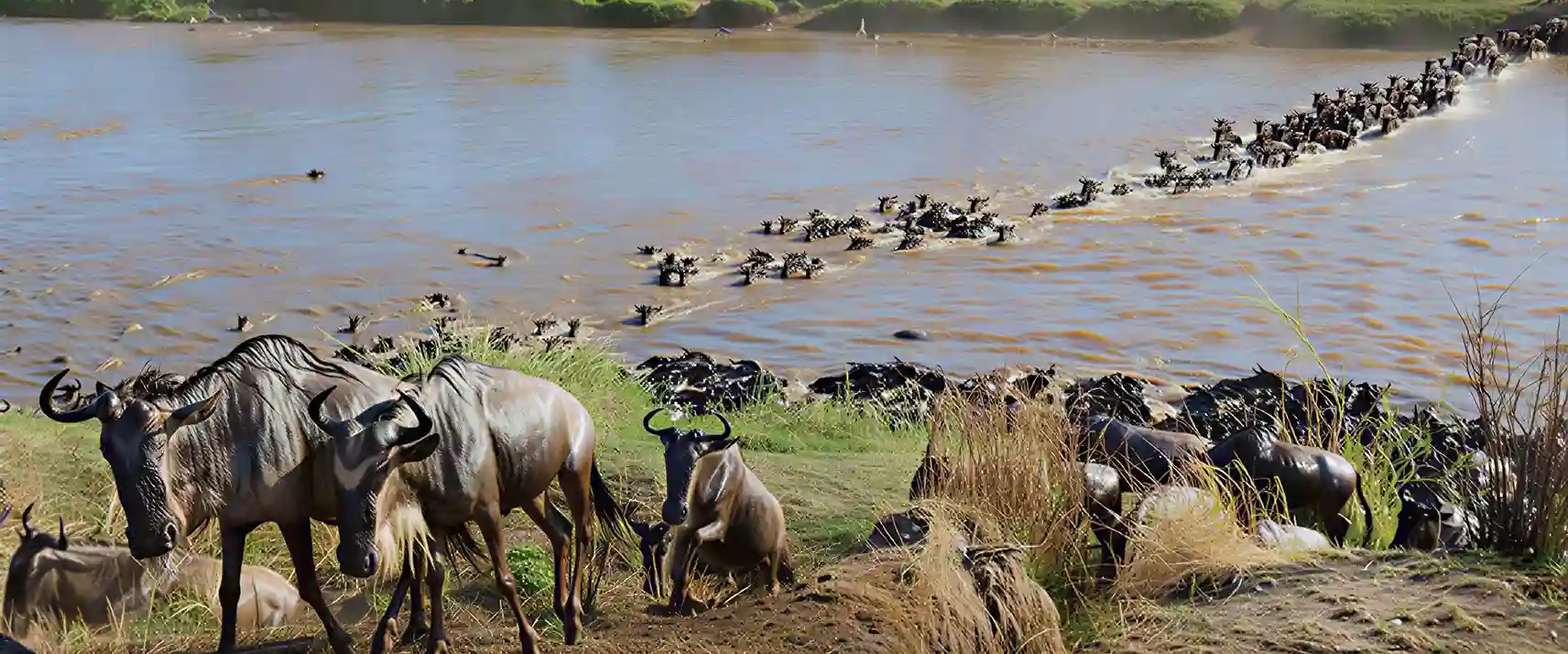
The Great Migration is a year-round cyclical migration across northern Tanzania and southern Kenya. When herds approach the Masai Mara, the landscape becomes a theater for the following: 2
- Large-scale grazing movements.
- Predator populations (lions, cheetahs, and leopards)
- River crossings with high currents and crocodile populations.
The Masai Mara phase is particularly well-known due to its condensed terrain, which intensifies wildlife encounters.
Wildebeest Migration in Masai Mara, Kenya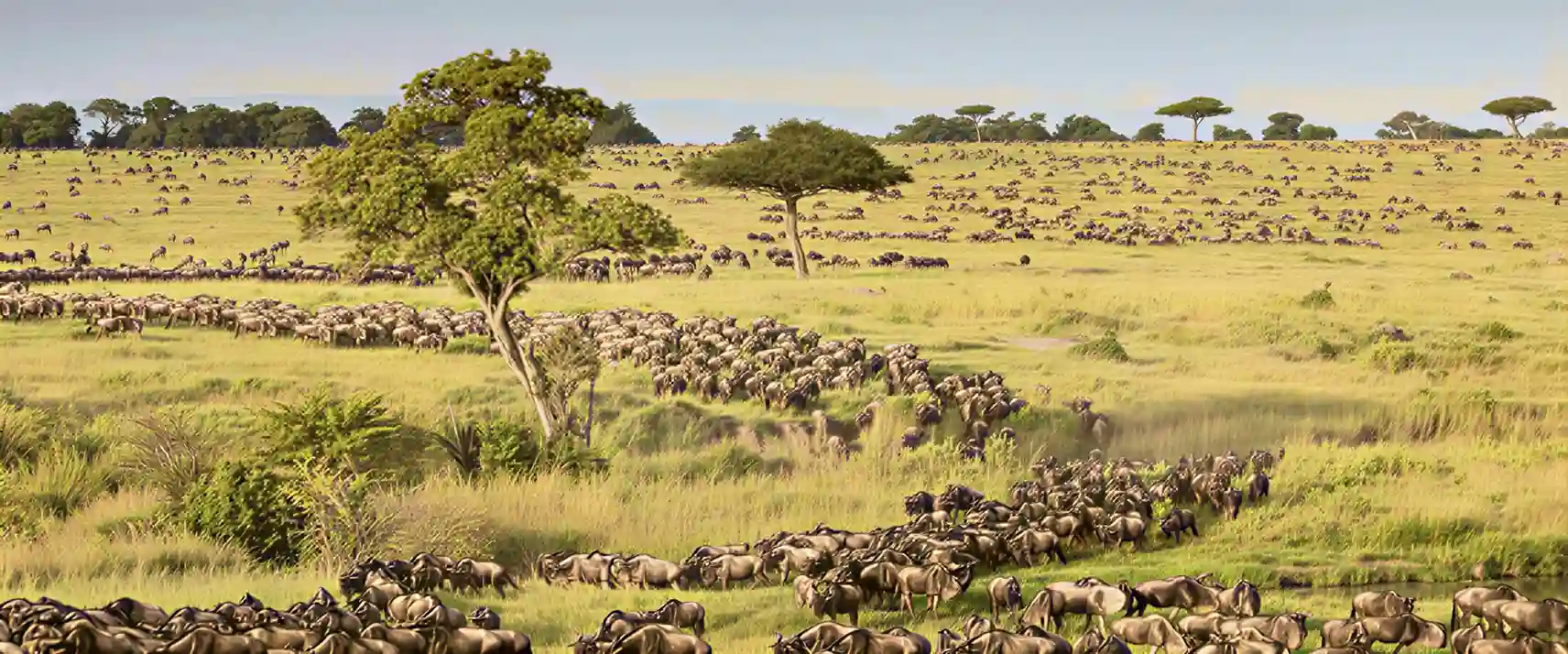
The Great Wildebeest Migration, which is one of the world’s most remarkable wildlife events. Migration is one of the world's most stunning natural phenomena, frequently dubbed the "Greatest Wildlife Show on Earth. This yearly migration is motivated by the desire for fresh pasture and water, resulting in a continuous movement governed by the rains.
The migration includes dramatic river crossings, notably at the Mara River, where wildebeest jump into crocodile-infested waters, pursued by predators like lions, cheetahs, and hyenas. This fascinating and often risky excursion is a must-see for anybody looking for an authentic African safari experience in the Masai Mara.
How to Plan Your Masai Mara Trip?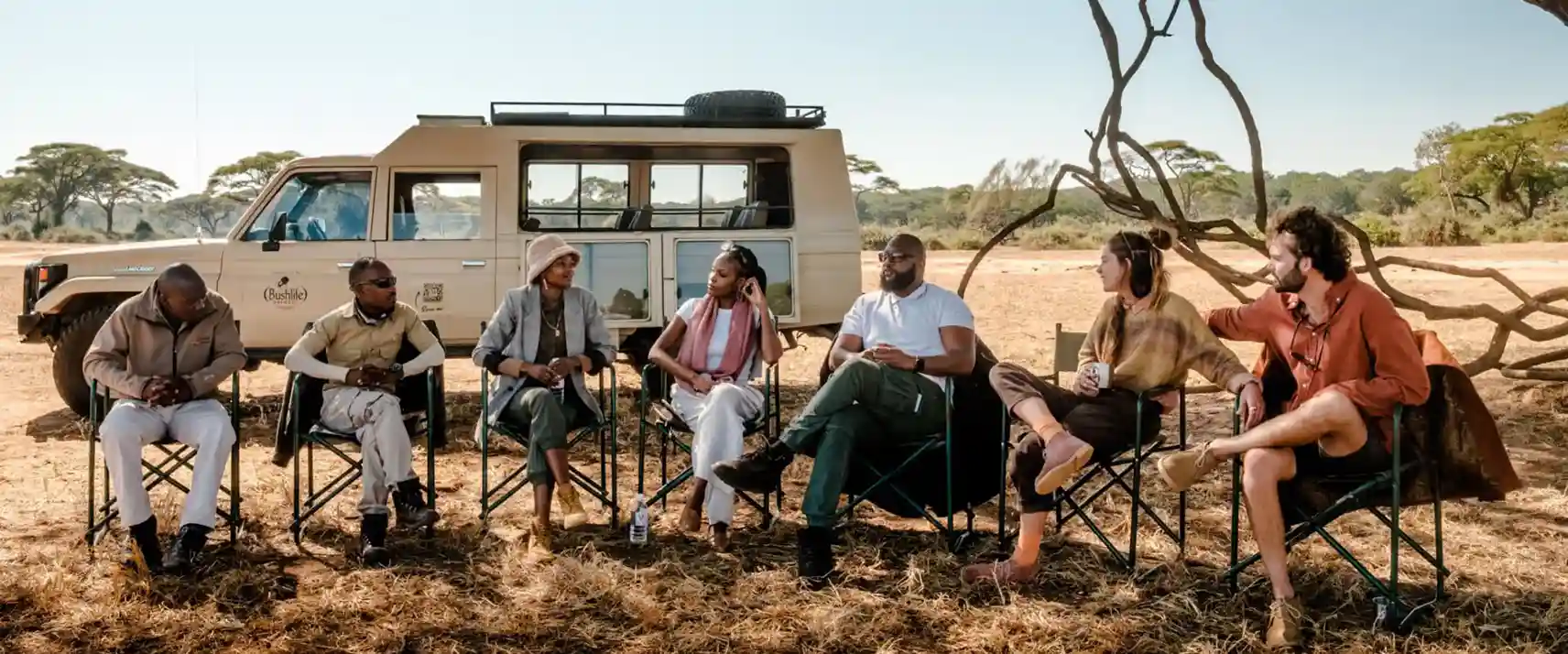
So, before you check out the plan, you can browse the best Kenya tour packages to find the right fit. Here's a useful planning checklist:
- If you wish to visit during the peak migration season (July-October), book 6-9 months in advance. Popular camps and hotels sell out quickly.
- Choose a tent near the Mara River corridor for the most convenient river crossing access. The ideal locations for camps are in the Mara North Reservation and along the reserve's western edge.
- Confirm that your package includes a private car or semi-private game drives. If you're paying this much for a migratory experience, you don't want to be in a shared minivan with seven other tourists.
- Inquire precisely whether night drives and adventure walks are possible at your preferred campsite. These require a protected site.
- If you are an international tourist, be sure to have a sufficient budget for the Kenya eTA.
- Get travel insurance that includes medical assistance. The Mara is a remote area, and emergency health assistance without coverage might cost thousands of dollars.
- Pack light clothing; early mornings on game drives may be cool even in July and August, with temperature changes to 12-15 degrees Celsius before daybreak.
Real Facts About Migration in Masai Mara 2026
| Category | About |
| What it is | Annual movement of over 1.5 million wildebeest, plus zebras and gazelles, across the Serengeti Mara ecosystem |
| Best Months | Late July to October, with peak river crossings in August and September |
| Peak River Crossings | Mid-August to late September, best odds around late August to early September, crossings can last minutes or run for hours |
| Where | Masai Mara National Reserve and nearby conservancies, Kenya |
| Main Rivers | Sand River, Talek River, and the Mara River, where the big dramatic crossings happen |
| Minimum Stay Recommended | 4 nights for a fair chance at a crossing |
| Park Fee Rule | Valid from 6 AM to 6 PM on the day of entry only |
| Weather in Peak Season | Dry, cool mornings, warm afternoons, little rain |
Highlights of Great Migration of Masai Mara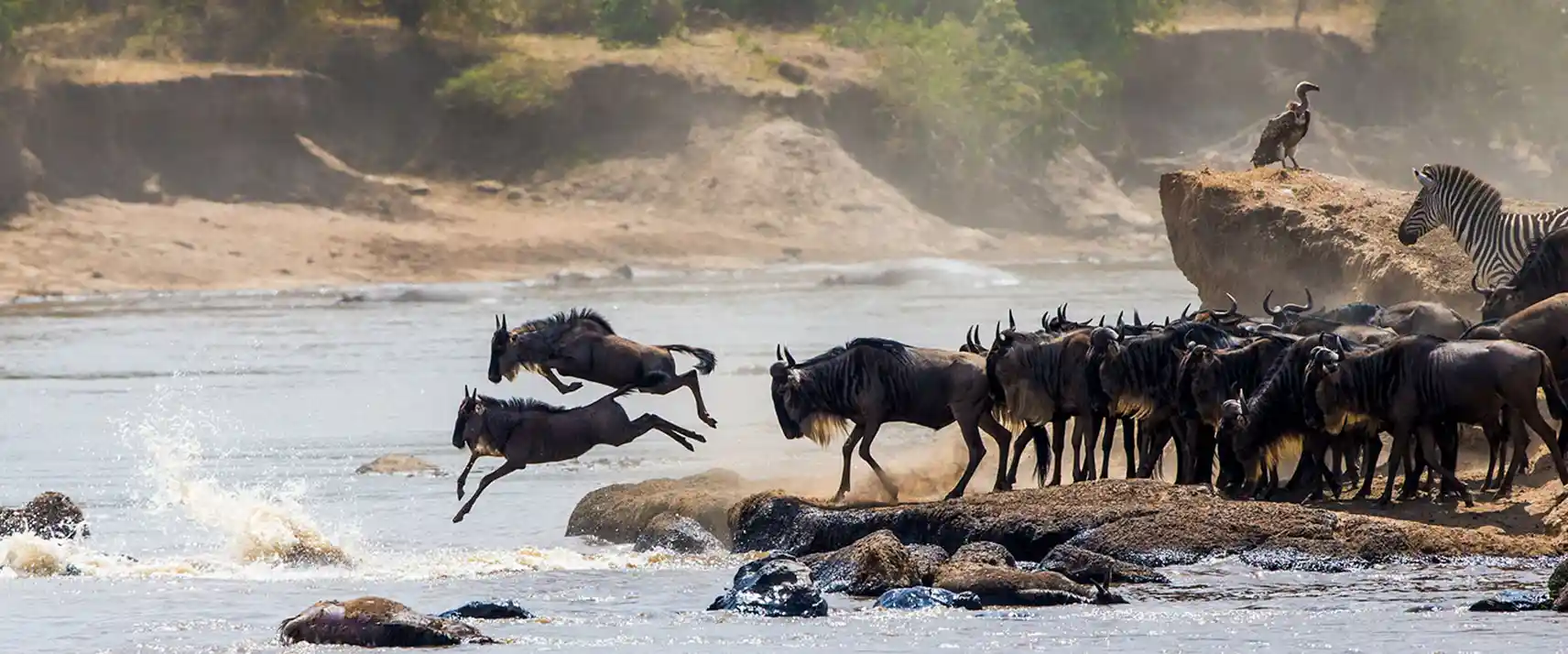
As herds of wildebeest, zebras, and gazelles reach the Masai Mara, they are faced by a wide range of fatal predators. Aside from the big predators, the lemming-like herds fear approximately 3000 crocodiles waiting in the dark waters of the Mara River as they pass. Watching the herds blindly sink from riverside cliffs into the river waters is breathtaking. Eventually, the large herds are rewarded with prizes from the vast Masai Mara grasslands. For a little while, life is good. When the food supply runs out and the rains stop, the herds do as well.
What is the best time to visit Masai Mara in 2026?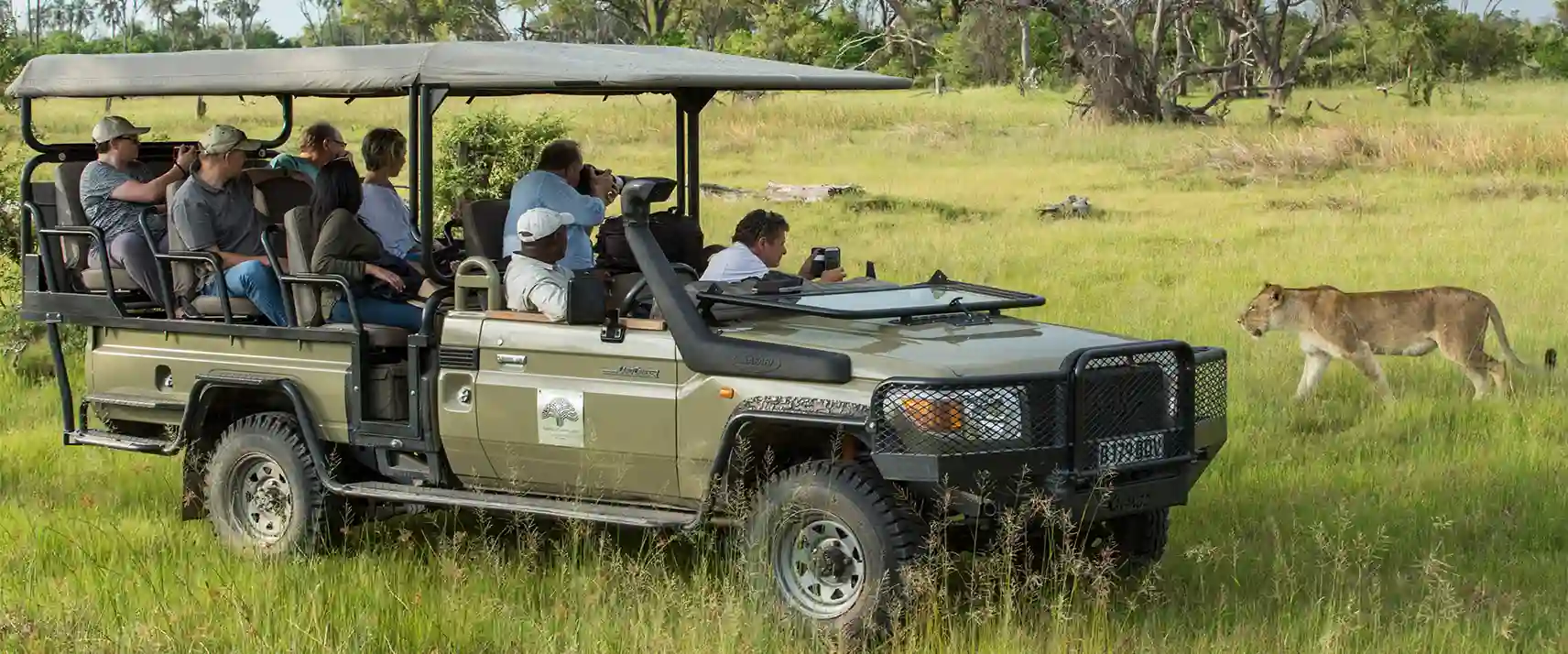
In general, the best months to witness the Great Migration in the Masai Mara are July through October. In this guide you will get a rough idea of what to expect during those memorable moments during the Great Migration, but there's no way to guarantee that the herds will cross a river at a specific time.
Weather is unpredictable, and late or early showers might cause a delay or early migratory trend. The good news is that the Masai Mara offers a variety of species to see all year. /
July and October are the busiest months in the Masai Mara and are generally cited as the finest time of year to visit the Great Migration. It is realistic to assume that you will not have the herds to yourself throughout these months.
For a more peaceful stay currently, we recommend one of the Masai Mara conservancies. Here's an overview of what to expect during the Great Migration.
July: Herds depart the Serengeti's drained plains in search of food and water beginning in late July and continuing till August. This is the perfect time to see stunning Mara River crossings.
August: By August, most of the wildebeest and their companions on the migration will have arrived in the Mara. They are welcomed by an enthusiastic hunting group of big cats.
September: In September, things are going well in the Mara. This is the ideal time of year for thrilling safari game drives across the Masai Mara National Reserve.
October: The rains began in October, and by November, the herds are returning to the Serengeti. So, the never-ending cycle of the migration continues indefinitely.
Did You Know?
The wildebeest you see are not alone on this journey. Wildlife researchers believe that the herd travels about 800 kilometers annually in a broad circuit between Tanzania and Kenya.
Even more unexpected, wildebeest calves can stand and run within minutes of birth, a survival strategy that has kept the species alive despite regular predator attacks during the calving season.
The Mara River crossings is not a one-time event. It takes place multiple times during a day at locations near the river wherever the grass is dense and greener.
Great Migration Calendar 2026
| Month | Where the Herd Is | Experience |
| January to March | Southern Serengeti, Ndutu Plains | Calving season, thousands of calves born, heavy predator action |
| April to May | Central and Western Serengeti | Long rains, herds moving north in large columns |
| June | Western Corridor, Grumeti River | First river crossings of the year, big crocodiles, fewer tourists |
| July | Northern Serengeti into Masai Mara | Early Sand River and Talek crossings begin, herds building up |
| August | Masai Mara National Reserve | Peak Mara River crossings, dramatic and crowded, best odds of the year |
| September | Masai Mara and Mara Triangle | Continued crossings, herds moving back and forth across the river |
| October | Masai Mara, herds start drifting south | Late season crossings, fewer crowds, still strong wildlife viewing |
| November | Southern movement begins | Short rains start, herds head back toward the Serengeti |
| December | Southern Serengeti | Herds settle before the calving cycle starts again |
Where to stay for the Great Migration in Masai Mara 2026?
Mara Triangle
The Triangle is part of the National Reserve but is maintained independently by the Mara Conservancy. It offers some of the most stunning crossing terrain in the ecosystem and is consistently less trafficked than the main reserve. The Triangle is an excellent option for travelers seeking migratory sights with more breathing room.
Private Conservancies
The conservancies around the National Reserve, such as Mara North, Naboisho, Olare Motorogi, and others, provide a radically different experience. Off-road driving, nighttime game safaris, and tightly limited vehicle numbers ensure that you frequently get sightings all to yourself.
The Great Migration River crossings occur within the National Reserve. Guests staying in a conservancy who wish to observe a crossing must arrange a full-day journey inside the reserve. This is quite possible and many people combine a conservancy base with day tours to the crossing places from July to September.
Masai Mara National Reserve
The National Reserve is our #1 choice for most migratory guests. The reserve includes all the major Mara River crossing places and provides the most diverse choice of accommodation options for all budgets. If you want to see a river crossing, here is the place to go.
The trade-off is the number of vehicles during peak season. August is very busy at the major crossing sites.
Conclusion
Learning about the Great Migration is one thing, and experiencing it during the peak season is altogether a different experience. From predator activities to the large herds moving across the plains & river crossings, each day at Maasai Mara offers a different safari experience.
If you want a stress-free way to witness the big migration in Masai Mara in 2026, Next Holidays will help you find the right travel window, stay location, and safari package. Our 4 days Kenya Masai Mara tour package includes Nairobi transfers, game drives, accommodation support, and experienced safari guides, ensuring you the best available migration window in 2026.
Read More:
Masai Mara Tour Package from Dubai
Best Things to do in Masai Mara in August 2026



Comments